There is no need for any of those awkward surprises one dreads in a robe when you have the right information. These are the sort of Spa Hygiene And Safety Tips Australia has to offer to put your mind at ease and ensure a more secure treatment. Do some due diligence before you book: have a look at the premises, put some questions to them on how they clean their gear, be upfront about health issues and make sure the water-based facilities are in order.
I am Jasper Langston and I have little time for glossy promises; I will take practical advice any day. A spa ought to be a calming place, yet “relaxing” does not do away with the need for hand hygiene, new towels and sensible procedures. The fundamentals are what they are, whether you are researching facials blue mountains, booking a massage down in Brisbane or considering some hydrotherapy in regional Victoria: staff that will listen to a question and have clean hands and equipment to show for it.
Why Clean Treatments Matter
Proper hygiene is the only way to shield a client from skin irritation, cross-contamination and infections you could do without. It is also an indicator of a business’s attitude to its wider safety obligations, like the chemical balance in a spa pool or the state of the treatment room.
Regulations differ from one state or territory to another. In Victoria, local council registration and public health rules can apply to beauty and personal care services. One would do well to consult the Victorian Government’s public health guidance to get a handle on what is required.
Cleanliness Is A Safety Signal
Do not be fooled into thinking a reception area in good order means the tools or water systems are safe. You want to see things like staff washing up, linen being put away as soon as it is used, products opened from a seal and surfaces done over between clients.
Most folks put too much stock in scent. Eucalyptus may give the impression of a clean room but it is not a disinfectant. What counts is hospital-grade disinfectant and the time allowed for it to work, not having the place smell of a candle shop.
What To Check Before Booking
Put in a few queries before parting with your money and you will be spared an uncomfortable session or having to seek a refund. Any decent spa will give you a straight answer and not make a fuss of you as if you were appraising the Crown jewels.
Have a read of the reviews and the fine print on cancellations. If the service is a head spa or involves a steam room, find out what process is in place for cleaning and how regularly the water is put to the test.
A Booking Checklist
- Make sure the business is in possession of the necessary health registration or local approval.
- Inquire as to the training of the therapists and if their credentials stand up to verification on Training.gov.au.
- See that the treatment is suited to your skin type, age and comfort level.
- Get details on tool disinfection, the cleaning of the table and the provision of fresh linens and disposables.
- With water treatments you should ask about filtration, shock treatment, pipe flushing and the testing of bromine and chlorine.
- Sort out the logistics: parking, transport, accessibility and the best way to get back if the treatment has involved heat or something sedating.
For a first time round, come ten minutes early so you are not in a rush from the traffic with one shoe on to do your consultation. And in the busier spots factor in some time for parking; there is nothing relaxing about a massage after you have been going around the block like a road train looking for a spot.
How Rooms And Tools Are Kept Safe
You will find effective salon hygiene is a matter of routine cleaning and the right kind of disinfection. Treatment rooms are laid out to keep the clean and the used apart and are well ventilated. Non-porous surfaces have their uses in that they will not soak up residue the way fabric or timber in poor repair will, but the table still has to be cleaned between clients. “It looks fine” is no substitute for a schedule.
The Cleaning Sequence
First the visible residue is cleared then the disinfectant is applied as per the instructions. A quick spray and wipe will not do what it is supposed to; the tool has to be left wet for the requisite contact time.
And as for tweezers, bowls or extraction and massage equipment, these are to be disinfected after every client. Single-use items are not to be reused under any pretence. Razors and lancets call for extra care in their disposal. What to look for in good practice and what ought to give you pause
| Area | What Good Practice Looks Like | What Should Concern You |
|---|---|---|
| Towels And Linens | Good practice is fresh towels put away dry and any used linen deposited in a closed laundry bin. | One is less reassured by a pile of soiled linen left open or towels folded on the treatment bed. |
| Tools | There should be a separation between reusable tools that have been disinfected and cleaned and those that are in use. | Equipment wiped down with a dry cloth or put haphazardly in a drawer. |
| Treatment Tables | Between clients the table and face cradle are to be seen with a fresh covering if needed, all residue of oil, hair or product removed. | Oil, hair or product residue remains on the table. |
| Products | Hygienic dispensing is the order of the day, no double-dipping in the containers. | Hands or an applicator that has been used are put back in a shared jar. |
| Water Facilities | Staff will be able to talk you through the routine or put forward their cleaning and testing records. | Cloudy water, a chemical stench, slimy surfaces or non-committal answers. |
Then there are those who put in place procedures from industry suppliers like Spa Vision. It is not of itself evidence of a safe treatment. The proof is in the staff’s ability to stick to the process without making a song and dance of it.
Hand Hygiene: A Client’s Protection
An essential element of beauty therapy hygiene, hand hygiene is also one of the most straightforward. Therapists must wash up before and after they have had contact with a client, after handling personal effects or a phone, and at any point contamination could occur.
Depending on the service, one may see the use of gloves, masks, eye protection or other PPE. But a therapist in gloves who then puts them to his face or a cupboard handle after using the phone is hardly showing exemplary hygiene; gloves are no substitute for handwashing.
Watch How The Therapist Works
See if the therapist is putting the area in order, tying long hair out of the way and keeping clean products apart from implements that have been used. Any procedure calling for heat, needles, strong acids, exfoliation or electrical apparatus should be explained.
One can put more trust in a therapist amenable to a sensible question than to one who puts it aside. I have a simple rule: put me off with a tool you cannot tell me how you have cleaned and it is not going near my skin. No need to be difficult about it, it is common sense made plain.
Safety in Your Skin Treatments
Provided the service is suited to the client, a facial, massage, wax or peel can be perfectly safe. Where spas make the mistake of thinking medical history and medication are the same for everyone is where trouble starts.
A consultation of any worth will go over pregnancy precautions, allergies and sensitivities of the skin, rashes, broken skin, recent sun and any prior reactions. If retinoids, injectables or anything prescribed might impact your skin or circulation, the therapist should be told.
Be Selective
In the case of facials, enquire as to the use of disposable applicators and if a patch test is done. Do not countenance strong exfoliation on skin that is inflamed or sunburnt. Should a product burn instead of tingle, say something.
For a massage, let the therapist know of varicose veins, numbness, injuries or any part of you he is not to put his hands on. Deep pressure is not always an improvement and a good massage will not have you feeling faint or in a bruise to get to the dunny.
Waxing is best with fresh applicators and clean skin and no double-dipping. Some medicines and topicals present a risk of skin lifting, so take advice when in doubt.
It is easy to do a search for “facials blue mountains” and peruse the menus and reviews of local spas. Make that your starting point but do not be swayed by a picture of some fluffy towels; call in and ask about suitability and hygiene.
Put Water Treatments on a Safer Footing
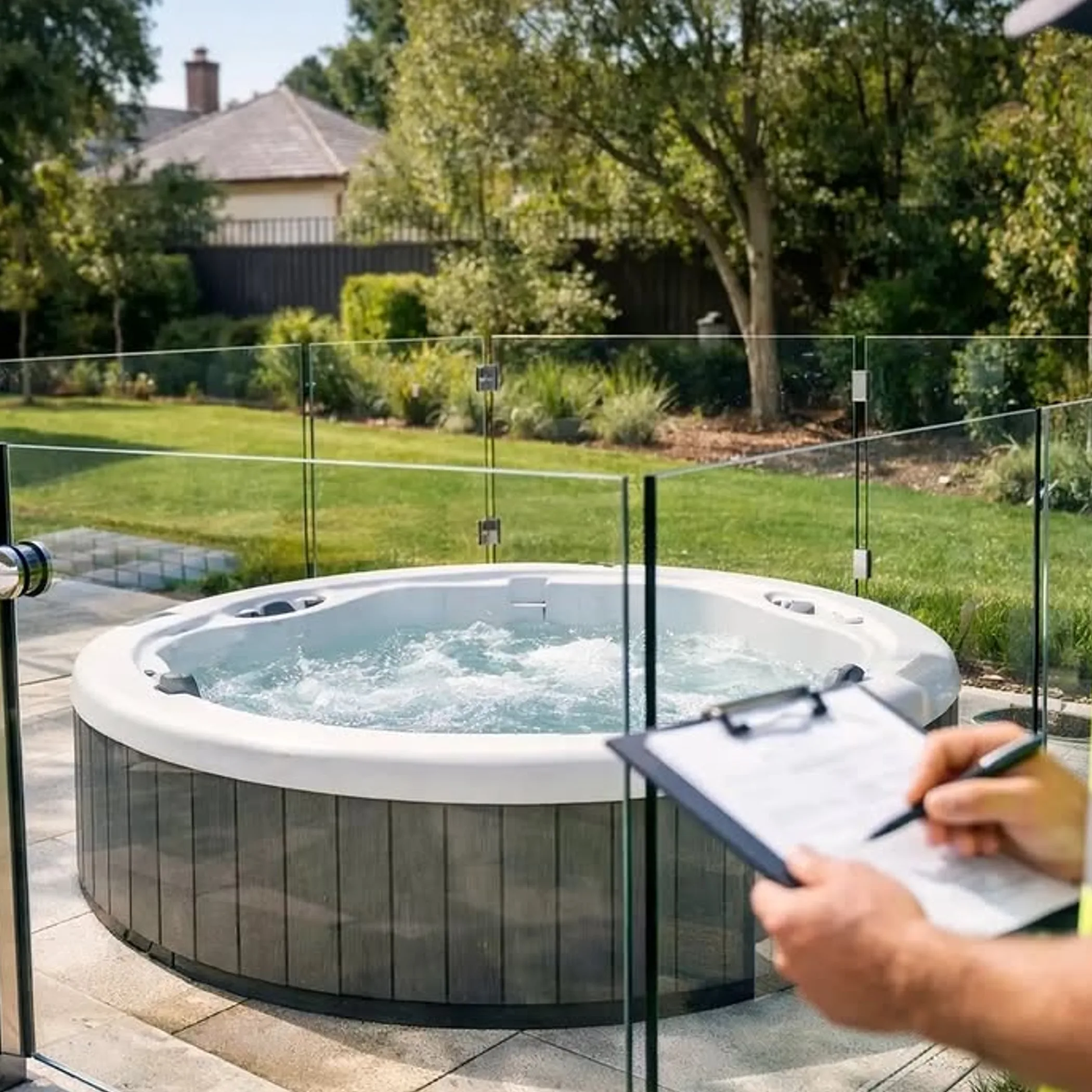
The safety of hydrotherapy and spa pools is a function of staff conduct as well as filtration and testing. Poorly managed chemical balance or cleaning can allow microorganisms to thrive in warm water.
Find out if chlorine and bromine, pH, temperature and filtration are being watched. An overpowering smell is not a sign of cleanliness but of bad water chemistry. Nor should a pool in good order be cloudy or have an oily film or be slimy to the touch.
Head Spas and the Pool
With a head spa of fresh water the process should be clear and the water clean for every client. Wet systems are prone to biofilm so basins, pipes and attachments need to be attended to. Flushing of the pipes is something to insist on with equipment that has narrow channels or has been sitting idle.
Find out if the spa will put in a shock treatment as needed and what their record keeping is like for maintenance. There is no call for you to insist on seeing a spreadsheet, but the staff ought to be well versed in the routine. Should they tell you “the machine does it”, that is not much of a plan.
One should not be in a pool or hydrotherapy area with open wounds, a fresh infection, a contagious skin problem or while suffering from vomiting or diarrhoea. Heed the shower directions put up for all to see and do not swallow the water. Put away any jewellery if asked and let the staff know if the heat or water pressure is making you feel unwell.
Be Upfront About Your Health
Safety in a spa is predicated on candour. An embarrassment is no reason for silence when a therapist has to work around a condition. Make them aware of pregnancy, allergies, diabetes, asthma, epilepsy, heart trouble, blood pressure issues, skin disorders, any recent surgery and the medicines you are on. If you are under the weather on the day, say so, payment or no.
Rescheduling Is Sometimes Wiser
Put off your appointment for a fever, an illness you can pass on, an unexplained rash, open wounds or bad sunburn. In the case of pregnancy or a complicated medical history, get the nod from your doctor and find a therapist with the right training.
Do not be fooled into thinking “natural” oils or botanicals are without risk; essential oils have been known to set off an allergy or irritate the skin. Get an ingredient list if you have had cause to react to cosmetics in the past.
Reality Check
You might expect a room with dim lighting and stones to be as clean as the next one. Hygiene is more a matter of handwashing, how laundry is handled, tool storage and forthright talk. And while some think a harder treatment is better, there are trade-offs with the chemicals and exfoliation involved. A safe approach will be gentler, which is as it should be.
Those Who Need To Be Cautious
If you are new to this, have sensitive skin or are trying an unknown water treatment, opt for something of lower intensity and shorter duration. On a single day in town, make time for the consultation and a service where you can control the temperature and pressure.
For anyone with a significant medical condition or who is pregnant, a provider must be amenable to altering the service. When staff make short work of the consultation and claim a treatment is for all comers, walk away. Your skin is not for everyone to put their mark on.
A Plan for Safety at the Spa
In general the best bet is a spa that is plain about its ways and will not overstep. You want to see cleanliness, staff who are trained, products in order and water facilities in good repair. Regulations in Australia vary from place to place so do not assume a national rule applies; check locally. A registered business is not above error but poor communication and dirty tools are telling.
I have a simple way of deciding: I would not book if I could not in good conscience recommend it to Clara or a friend with delicate skin. The whole point is to come away calmer, not to question if the towel has had more of an adventure than you.
Questions on Spa Safety
To put common concerns over salon hygiene and etiquette to rest, ask the provider before you pay and consult a doctor on matters of health.
Ten Precautions For The Salon
Proper client consultation, testing the water quality, disinfected tools and tables, clean towels, hand hygiene, PPE, ventilation, disposal of sharps and secure product storage are ten things to look for. Staff should also be on top of spills and have first-aid at hand.
Spa Etiquette
It means being punctual, having a shower prior to water treatments and putting your phone on silent. Tell them if you are uncomfortable with the pressure or the heat. Do not show up with an open wound to use the pool or be contagious and expect them to divine your needs.
Seven Hygiene Categories
Hand and oral care, bathing, nails, hair and scalp, respiratory hygiene and clean clothes. Therapists too must have clean work clothes and the habits to avoid cross-contamination.
Water Testing
How often this is done is down to the operator and local public health rules. Ask them to explain how they go about shock treatment and recording results; they should not have to guess.
Sensitive Skin?
You can have a treatment but it may be necessary to tone down the heat and pressure and run a patch test. Inform the therapist of any sensitivities first. At the first sign of swelling, dizziness, pain or trouble breathing, stop and get medical attention.
There is no magic to a safe spa treatment, just discipline. Trust your instincts and put forward the pertinent information. Clean systems and hands are preferable to clean towels alone.
